The Science of Mindful Gaming: How Zero-Pressure Puzzles Restore Mental Clarity
In an era dominated by constant notifications, high-speed social feeds, and high-stress work environments, finding moments of genuine cognitive rest has become increasingly difficult. Here is how intentional, timer-free puzzle design helps quiet the mind and sharpen mental focus.
1. Why Traditional Arcade Mobile Games Often Cause Time-Pressure Fatigue
Many modern mobile games are engineered around artificial urgency. Flashing countdown bars, loud siren alerts when time is running out, and punishing streak losses create constant time-pressure friction and sensory overload. Instead of feeling refreshed after a ten-minute break, players often walk away with mental exhaustion and visual fatigue.
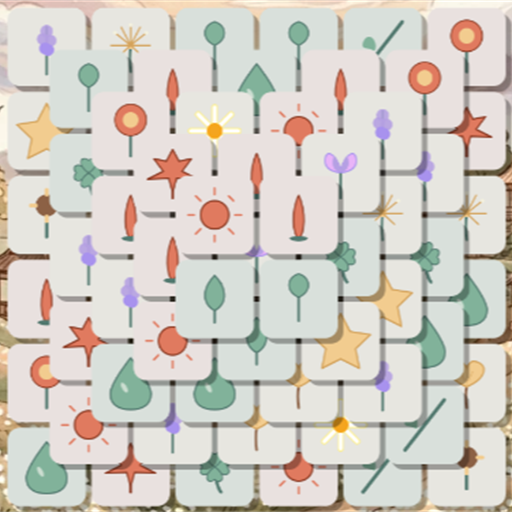
At Puzzle Relaxed, we asked a fundamental design question: What happens when you strip away every artificial timer from a spatial puzzle game and replace it with natural rhythm, tactile acoustics, and artistic serenity? The result is Triple Match Relaxed—a digital leisure sanctuary designed around unhurried contemplation.
2. Entering the "Soft Flow State" Through Pattern Recognition
Psychologist Mihaly Csikszentmihalyi famously defined the Flow State as a mental zone where a person is fully immersed in an activity that balances moderate cognitive challenge with clear, immediate feedback. Tile-matching puzzles are uniquely suited to inducing what researchers call Soft Fascination or Micro-Flow:
- Ordering Visual Chaos: Every stage begins with a complex, layered arrangement of tiles. As you identify matching trios and remove them one by one, your brain experiences a tangible sense of order and completion. Each cleared trio releases a gentle, natural sense of satisfaction.
- Working Memory Exercise: Keeping track of which tiles sit in your 7-slot tray while remembering the locations of partially covered symbols on the board exercises visual-spatial working memory—a key cognitive function that benefits from regular, low-stress practice.
- Freedom of Pace: Because there is no countdown clock, you can evaluate spatial relationships methodically rather than reactively. This shifts attention away from rushed reactive clicking and into calm problem-solving.
Attention Restoration Theory (ART) & Pacing Ergonomics
Environmental theorists Rachel and Stephen Kaplan developed Attention Restoration Theory (ART) to explain how specific environments allow Directed Attention—the everyday focus depleted by spreadsheets, traffic, and constant multitasking—to rest. According to ART, a restorative leisure environment provides four distinct qualities, all of which are intentionally engineered into Triple Match Relaxed:
| Kaplan ART Dimension | High-Urgency Timed Arcade Games | Triple Match Relaxed Implementation |
|---|---|---|
| 1. Being Away (Psychological Distance) | Replicates workplace urgency with ticking clocks, red warning borders, and streak-loss penalties. | Transports players to serene watercolor tea houses, bamboo rain forests, and snow pavilions with zero timers. |
| 2. Soft Fascination (Effortless Hold) | Uses "Hard Fascination" (explosions, screen-shake, neon flashes) that overstimulates visual pathways. | Uses drifting sakura petals, soft water ripples, and pentatonic chimes that gently anchor attention. |
| 3. Coherent Extent (Structured World) | Chaotic pop-up sales banners and unpredictable RNG cascades that disrupt spatial planning. | Deterministic 3D layered boards where every tile obeys predictable spatial geometry and 7-slot tray logic. |
| 4. Action Compatibility | Punishes slow contemplation and forces rapid reflex tapping. | Aligns with the player's intrinsic desire to bring quiet order to a layered arrangement at their own pace. |
3. The Role of Acoustic ASMR & Nature Soundscapes
Auditory design plays an equally vital role in emotional regulation. In Triple Match Relaxed, every interaction is paired with organic, acoustic sound engineering:
🎐 Bamboo & Ceramic Tactility
Selecting a tile produces a warm, wooden resonance reminiscent of handcrafted mahjong or smooth river stones, grounding your touch in physical realism.
🌧️ Layered Weather Ambience
Background soundscapes blend soft rain on leaves, distant temple wind chimes, and flowing mountain streams—frequencies known to mask jarring environmental noise.
🎵 Pentatonic Harmony
When trios merge, subtle pentatonic chimes ring out. Because pentatonic scales lack dissonant intervals, every combination of matches sounds naturally melodic and soothing.
4. Color Psychology & Four Seasons Watercolor Art
Visual overstimulation from neon colors and harsh contrast can strain the eyes, especially during evening wind-down hours. Triple Match Relaxed employs a curated palette inspired by traditional East Asian watercolor paintings and botanical illustrations:
Each thematic chapter transitions smoothly across the natural cycle of the year—soft sakura pinks and fresh celadon greens in Spring, deep emerald foliage in Summer, warm amber and vermilion foliage in Autumn, and tranquil indigo and snow-white tones in Winter. Low-glare backgrounds and subtle atmospheric particles (such as drifting petals or fireflies) encourage soft eye movements and reduce digital eye strain.
5. Healthy Digital Wellbeing: The "Take a Break" Philosophy
We believe a truly mindful game should respect your time in the real world. Rather than using dark patterns to keep you glued to your screen for hours on end, Triple Match Relaxed incorporates gentle Afternoon Tea & Mindful Break Reminders. After a series of stages, the game invites you to pause, stretch your shoulders, take a deep breath, or rest your eyes.
6. A Practical 10-Minute Daily Mindful Puzzle Ritual
To maximize the cognitive and emotional benefits of timer-free tile matching, our editorial wellness team recommends following a structured 10-Minute Mindful Reset Routine during your afternoon break or evening wind-down:
- Minute 1 — Sensory Grounding: Put on comfortable headphones or set your speaker to a gentle volume (`35%–50%`). Before tapping your first tile, listen to the ambient rainfall or bamboo wind chimes for three slow breaths (inhaling for 4 seconds, holding for 4 seconds, and exhaling for 4 seconds).
- Minutes 2 to 8 — Top-Down Spatial Scanning: Observe the 3D tile pyramid as a whole before making individual selections. Focus on uncovering the highest z-layer clusters (`z = 4` to `z = 6`) and keeping at least 3 of your 7 holding tray slots open. Notice how each completed trio creates open visual breathing room across the canvas.
- Minutes 9 to 10 — Postcard Reflection & Eye Rest: Upon completing 2 to 3 stages, visit the Mindful Wallpaper Sanctuary or Quiet Journal to read the seasonal reflection quote, then look away from your screen toward a distant object for 20 seconds (`the classic 20-20-20 visual comfort habit`).
Whether you play for five minutes during a busy workday commute or fifteen minutes with a cup of herbal tea in the evening, Triple Match Relaxed is crafted to leave your mind calmer, clearer, and more centered than when you began.
puzzlerelaxed.com discuss user-interface ergonomics, audio engineering, and casual game design principles for recreational entertainment and everyday leisure. Triple Match Relaxed is an interactive puzzle game and is not a healthcare or professional wellness service.